Cycling is more than just a mode of transport or a fitness routine; it’s a passion, a journey, and an exhilarating way to experience the world. But whether you’re navigating bustling city streets, cruising quiet country roads, or tackling challenging trails, one element remains paramount for every cyclist: safety. A top-tier Best Light Set For Bike is not merely an accessory; it’s an indispensable guardian, illuminating your path and ensuring you’re seen by others. At BikeBright Pro, we understand this deeply, and we’re here to help you navigate the world of bike lighting, ensuring every ride is as safe and enjoyable as possible.
The Indispensable Role of a Quality Bike Light Set
Imagine cycling through a tunnel or descending into dusk – suddenly, the world around you dims, and what was once familiar becomes a challenge. This is where a reliable bike light set steps in. It’s about two core principles: “seeing” and “being seen.” While many riders traditionally associate lights with nighttime cycling, the reality is that visibility is crucial 24/7. Even on a bright, sunny day, a powerful light set can make the difference between being a fleeting shadow and a clearly visible presence on the road.
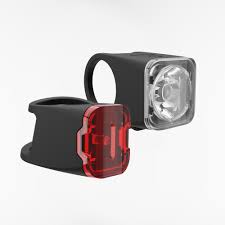
A quality light set significantly reduces the risk of accidents by providing ample illumination of the road ahead, highlighting obstacles, and allowing you to react promptly. More importantly, it makes you highly visible to drivers, pedestrians, and other cyclists, giving them precious time to notice and respond to your presence. Don’t leave your safety to chance; equip yourself with the best light set for bike that meets your riding demands.
Demystifying Bike Light Types: A Closer Look
The world of bike lights is incredibly diverse, with options tailored for every riding scenario. Understanding the different types is the first step to finding your ideal setup.
Front Lights (Headlights)
Your front light is your primary source for “seeing.” These lights cast a beam forward, illuminating the path ahead and allowing you to spot potholes, debris, and other hazards. The brightness, measured in lumens, is a critical factor here.
- For city riding on well-lit streets: 200-300 lumens are generally sufficient to ensure you’re seen.
- For unlit roads or mixed urban/rural commutes: Aim for 600-1000 lumens to adequately light your way.
- For serious off-road or mountain biking in complete darkness: 1000+ lumens, sometimes even up to 2000+ lumens, are recommended to navigate technical terrain effectively.
Rear Lights (Taillights)
Rear lights are all about “being seen” from behind. They are typically red and designed to grab the attention of approaching traffic.
- Visibility: Look for lights with wide visibility angles (e.g., 270 degrees) to ensure you’re seen from the sides as well as the rear.
- Modes: Most rear lights offer various steady and flashing modes. Brighter flash modes are particularly effective for daytime visibility.
Integrated Light Sets
Many brands offer comprehensive best light set for bike packages that include both a front and rear light. These sets are often designed to complement each other in style, mounting, and functionality, providing a coordinated lighting solution right out of the box. They ensure a balanced approach to both seeing and being seen, often at a better value.
Daytime Running Lights
Once considered optional, daytime running lights are now widely recognized as a crucial safety feature. Even in broad daylight, a bright, flashing front or rear light can significantly increase your visibility to motorists, especially at intersections or in challenging lighting conditions. Some studies suggest they can reduce accidents by a significant margin.
Factors to Consider When Selecting Your Bike Light Set
Choosing the best light set for bike involves more than just picking the brightest option. Here’s what you need to think about:
Brightness (Lumens): How Much Do You Really Need?
Lumens quantify the total amount of visible light emitted. While higher lumens generally mean brighter light, the optimal number depends heavily on when and where you ride. As cycling expert Dr. Eleanor Vance often says, “It’s not just about raw power, but smart power. A perfectly aimed 800-lumen beam can be more effective than a poorly directed 2000-lumen flood.” For specific riding conditions:
- Urban Commuting (lit streets): 200-500 lumens for the front light to be seen and provide basic illumination. For the rear, 50-100 lumens.
- Road Cycling (unlit roads): 600-1200 lumens for the front to see obstacles clearly. For the rear, 100-300+ lumens with a strong flash.
- Mountain Biking (dark trails): 1200-2500+ lumens for the front, often paired with a helmet light for dynamic illumination. Rear lights should be robust and highly visible.
Battery Life and Charging
Modern bike lights primarily use rechargeable lithium-ion batteries, often charged via USB or the newer, faster USB-C.
- Run Time: Consider how long your typical rides are. Lights often have multiple modes (e.g., high, medium, low, flash) with varying run times. A light that lasts 2 hours on its brightest setting might run for 10+ hours on an eco-flash mode.
- Charging Convenience: USB-C is becoming standard, offering faster charging and reversible connectors. Some advanced lights can even be used as power banks for other devices.
- Indicators: Look for lights with clear battery level indicators so you’re never caught off guard.
Light Modes
Beyond simple on/off, various modes offer versatility and conserve battery life.
- Steady Modes: Constant illumination at different brightness levels.
- Flash Modes: Designed to catch attention, including eco-flash for extended battery life and high-visibility daytime flash patterns.
Beam Pattern
The way a light distributes its output impacts its effectiveness.
- Spot Beam: A concentrated, narrow beam that shines far ahead, ideal for high speeds or seeing distant obstacles.
- Flood Beam: A wider, more diffused beam that illuminates a larger area, excellent for peripheral vision and slower speeds.
- Hybrid Beams: Combine elements of both, offering a balance.
- Cutoff Beams: A crucial feature, especially for road cyclists, that prevents blinding oncoming traffic by shaping the top of the beam.
Mounting Options
Where and how you mount your lights affects their stability and effectiveness.
- Handlebars: Common for front lights, offering a wide field of view.
- Seat Post: Standard for rear lights.
- Helmet: A helmet-mounted front light provides illumination wherever you look, great for mountain biking. A helmet-mounted rear light increases visibility above vehicle roofs.
- Other Gear: Some lights can attach to backpacks, clothing, or seat stays.
- Mount Types: Rubber straps are versatile and tool-free, while more robust metal brackets offer greater security, especially for heavier, high-lumen lights. Always ensure the mount is compatible with your bike and securely fastened.
Weather Resistance & Durability
Cycling doesn’t stop for a little rain. Look for lights with robust, weatherproof housings and sealed gaskets to protect against water and dust intrusion. An IPX rating (e.g., IPX4, IPX7) indicates its level of water resistance. The build quality also affects how well a light withstands vibrations and impacts from rough roads or trails.
Smart Features & Connectivity
Technology has brought exciting advancements to bike lighting.
- Adaptive Brightness: Lights that automatically adjust their output based on ambient light conditions, your speed, or even terrain.
- Smart Connectivity: Many lights now connect to smartphone apps for custom mode settings, battery monitoring, and firmware updates. Some integrate with cycling computers.
- Remote Controls: Handlebar-mounted remotes allow you to switch modes without taking your hands off the bars.
- Radar Integration: Rear lights with integrated radar systems can alert you to vehicles approaching from behind, like the innovative Wahoo Trackr Radar.
Setting Up for Success: Installation and Maintenance Tips
Even the best light set for bike needs proper installation and care to perform optimally.
Easy Installation for Optimal Positioning
Most bike lights are designed for straightforward, tool-free installation.
- Front Light: Mount it centrally on your handlebars, or on a helmet if preferred, to ensure an unobstructed beam path. Angle it slightly downwards to illuminate the road directly ahead without blinding others.
- Rear Light: Attach it to your seat post, ensuring it’s clearly visible from behind and not obstructed by a seat bag or your body.
Regular Charging and Battery Care
- Charge After Every Ride: It’s a good habit to top up your lights after each use, especially if you rely on them for safety. Lithium-ion batteries generally benefit from frequent, shallow charges rather than deep discharges.
- Storage: If storing lights for an extended period, charge them to about 50-70% capacity to preserve battery health.
Cleaning and Checking Mounts
- Keep Lenses Clean: Dust and grime can significantly reduce light output. Wipe lenses regularly with a soft cloth.
- Inspect Mounts: Periodically check that your mounts are secure and free from wear and tear. A loose mount can cause lights to sag or even fall off during a ride.
Ride Smarter, Ride Safer: Essential Usage Tips
Maximizing the effectiveness of your bike light set goes beyond just turning it on.
- Always Use Your Lights: Day or night, rain or shine, make it a habit. Daytime running lights are proven to increase safety.
- Combine Front and Rear: A complete set provides 360-degree visibility.
- Adjust for Conditions: Use brighter steady modes for “seeing” in dark areas and powerful flash modes for “being seen” in traffic or during the day.
- Legal Considerations: Be aware of local regulations regarding bike lighting, especially for night riding, which often require a white front light and a red rear light.
The Horizon of Illumination: New Technologies and Future Trends
The future of bike lighting is dazzling. Innovations are continually making our rides safer and smarter.
- AI-Powered Adaptive Systems: Imagine lights that learn your riding habits and automatically adjust settings based on real-time conditions – like dimming when you stop at a light or brightening on unlit paths.
- Augmented Reality Projections: Lights might soon project navigation cues or hazard warnings directly onto the road ahead, guiding you seamlessly.
- Sustainable Materials: As environmental consciousness grows, expect more lights to feature eco-friendly designs and materials.
- Advanced USB-C Integration: USB-C is rapidly becoming the universal standard, offering faster charging and greater power delivery, compatible with your other tech.
The BikeBright Pro Advantage: Illuminating Your Journey
At BikeBright Pro, we believe that choosing the best light set for bike should empower your riding experience, not complicate it. A well-chosen light set isn’t just about avoiding accidents; it’s about riding with confidence, extending your cycling hours, and exploring new routes, knowing you’re fully equipped. From enhancing your visibility to lighting up the darkest trails, the right light set transforms your journey. We are dedicated to bringing you the most reliable, technologically advanced, and cyclist-approved lighting solutions, ensuring BikeBright Pro is your trusted partner on every pedal stroke.
Frequently Asked Questions (FAQ)
Q: How many lumens are sufficient for city riding?
A: For city riding on well-lit streets, a front light with 200-300 lumens is typically sufficient to ensure you are seen by others and to provide basic visibility. However, for darker city areas or faster commuting, 500-800 lumens offer better illumination.
Q: Is it necessary to use bike lights during the day?
A: Yes, absolutely! Daytime running lights significantly increase your visibility to motorists and pedestrians, especially at intersections or in overcast conditions, thereby enhancing your safety.
Q: How often should I charge my bike lights?
A: It’s a good practice to charge your bike lights after every ride, especially if they have been used for an extended period. This ensures they are always ready for your next adventure and helps maintain battery health.
Q: What’s the difference between a spot and a flood beam?
A: A spot beam is a concentrated, narrow beam that shines far ahead, ideal for illuminating distant objects. A flood beam is a wider, more diffused beam that lights up a larger area, offering better peripheral vision.
Q: Can I use one light for both “seeing” and “being seen”?
A: While some versatile front lights offer modes for both, it’s highly recommended to use a dedicated front light for “seeing” (to illuminate your path) and a separate, distinct rear light for “being seen” from behind, ensuring comprehensive safety.
Conclusion
Choosing the best light set for bike is a crucial decision for every cyclist’s safety and enjoyment. By understanding the different types, considering essential factors like lumens and battery life, and embracing new technologies, you can find the perfect illumination solution for your riding style. At BikeBright Pro, we’re committed to lighting your way, ensuring every journey is bright, confident, and secure. Ride brighter, ride safer, and let BikeBright Pro be your guide to superior cycling illumination.