Riding a bike offers unparalleled freedom, a fantastic workout, and a way to connect with the world around you. But when the sun dips below the horizon, or the weather turns grey, your visibility becomes paramount. This is where a Best Value Bike Light Set truly shines, quite literally! At BikeBright Pro, we believe that staying safe on two wheels shouldn’t break the bank. We’re here to help you navigate the myriad of options and choose a bike light set that offers exceptional performance, durability, and features, all at a price that makes sense.
Why a Best Value Bike Light Set is a Smart Choice
Choosing a bike light set isn’t just about adhering to local regulations; it’s about investing in your safety and confidence on every ride. A high-quality, yet affordable, bike light set ensures you are seen by motorists, pedestrians, and other cyclists, significantly reducing the risk of accidents. For many riders, the term “value” means getting the most bang for your buck – a set that delivers reliable illumination, robust construction, and user-friendly features without an exorbitant price tag. It’s about finding that sweet spot where cost-effectiveness meets uncompromising safety.
Types of Bike Light Sets: What’s in a Pair?
When we talk about a bike light set, we typically mean a combination of a front light (headlight) and a rear light (taillight). Each plays a crucial, distinct role in your overall visibility and safety.
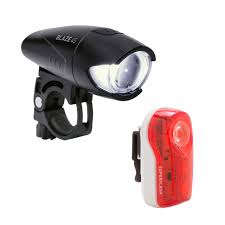
Front Lights (Headlights)
Front lights serve two primary purposes: to help you see the road ahead and to help you be seen by oncoming traffic.
- To See: For unlit paths, dark country roads, or serious night riding, you’ll need a front light with higher lumen output (brightness) to illuminate your path effectively. Think of lights in the 600-1000+ lumen range. These often have different beam patterns—some are wide to light up your periphery, while others have a more focused spot beam for distance.
- To Be Seen: For urban commuting or well-lit areas, a front light in the 200-500 lumen range, often with a good flash or pulse mode, is sufficient. The goal here is to catch the attention of drivers and make your presence known. Many modern lights also offer “Daytime Running Light” (DRL) modes, which use specific flash patterns to maximize visibility even in broad daylight.
Rear Lights (Taillights)
Rear lights are absolutely vital for your safety, ensuring that you are visible to traffic approaching from behind.
- Crucial for Visibility: Even if you only ride during the day, a bright rear light, especially one with a strong flash mode, dramatically increases your visibility.
- Advanced Features: Many value-packed rear lights now include features like braking detection, which automatically increases brightness when you slow down, mimicking a car’s brake light. Others offer wide-angle optics for 180-degree visibility, crucial for side-on encounters. Lumens for rear lights typically range from 50 to 400+, with higher lumens being beneficial for daytime visibility.
|
Our Picks for the Best Bike Light Set in 2026
As an Amazon Associate I earn from qualifying purchases.
|
||
| Num | Product | Action |
|---|---|---|
| 1 | GearLight Rechargeable Bike Light, Bike Headlight and Tail Light Set, Powerful Front and Back Lights for Night Riding Safety, Night Riding Accessories, White Elephant Stocking Stuffer for Men |

|
| 2 | BLITZU Bike Lights, Super Bright Bicycle USB-C Rechargeable Headlight, Taillight & Bell Set, Waterproof Safety Front & Rear Back light for Night Riding, Easy to Install for Men Women Kids Road Cycling |
|
| 3 | Ascher Ultra Bright USB Rechargeable Bike Light Set, Powerful Bicycle Front Headlight and Back Taillight, 4 Light Modes, Easy to Install for Men Women Kids Road Mountain Cycling Black |
|
| 4 | Bike Light Set for Night Riding,Bright Rechargeable Bicycle Headlight Set High Beam Low Beam,USB LED Bicycle Light,Waterproof Bike Headlight and Taillight for Adult Kid Mountain |
|
| 5 | Victoper Bike Light, High Lumens Super Bright Bicycle Lite, 6+4 Modes USB Rechargeable Bike Headlight & Taillight Set, Waterproof Safety Bike Front & Rearlight for Road, Mountain, Night Riding |
|
| 6 | Ascher Ultra Bright USB Rechargeable Bike Light Set, Powerful Bicycle Front Headlight and Back Taillight, 4 Light Modes, Easy to Install for Men Women Kids Road Mountain Cycling Black |
|
| 7 | NiteRider Swift 450 + Vmax+ 180 Front & Rear Bike Light Combo 450 Lumen Front & 180 Lumen Rear Lights USB-C Rechargeable Lightweight IP64 12 Total Modes for Bike Safety Commuting Bicycle Night Riding |
|
| 8 | Bike Lights, Rechargeable Bicycle Lights Set Super Bright 8+12 Modes, IPX6 Waterproof Bike Lights for Night Riding/Cycling Safety, Front and Back Taillight Reflectors, 58 Hrs Long Battery Life |
|
| 9 | Bike Lights for Night Riding, USB Rechargeable Bike Lights Front and Back, Waterproof IP65 Bicycle Light, 4+6 Modes Bike Headlight and Tail Light Set,1.5 Hrs Fast Charging, Easy to Install |
|
| 10 | 1000 Lumens Super Bright Bike Lights for Night Riding, 8+7 Modes Sturdy Aluminum Alloy Bicycle Lights Front and Rear, IP65 Waterproof & Rechargeable Bike Headlight for Bike/Scooter Accessories |
|
Integrated Sets
Many brands offer integrated front and rear light sets, providing a cohesive solution. These sets are often designed to complement each other in terms of aesthetics, mounting, and charging, making them a convenient and often more affordable option than buying lights separately. For example, a reliable front light like the NiteRider Swift 500 paired with a solid rear light such as the Sigma Buster RL 150 can offer an excellent combination of illumination and visibility, representing great overall value.
Essential Factors When Choosing Your Best Value Bike Light Set
When shopping for the best value bike light set, it’s easy to get overwhelmed by specifications. Here’s what truly matters:
Brightness (Lumens): How Much is Enough?
Lumens measure a light’s total output. For a front light to “be seen” in urban areas, 200-300 lumens often suffices. If you need to “see” where you’re going on unlit roads, aim for 600 lumens or more. Rear lights, while not needing to illuminate your path, still benefit from higher lumen counts (50-400+) to ensure visibility, especially during the day. As cyclist and product expert Sarah Jenkins from BikeBright Pro often advises, “Don’t just chase the highest lumen count; consider your typical riding environment. A well-designed 600-lumen light can outperform a poorly designed 1000-lumen one in real-world conditions if its beam pattern is superior.”
Battery Life & Charging
Nobody wants their lights to die mid-ride. Look for sets with decent battery life for your typical ride duration. USB-rechargeable lights are a game-changer, eliminating the need for disposable batteries and saving you money in the long run. Many modern sets feature USB-C for faster, more convenient charging. A light with multiple modes will also offer varying runtimes, allowing you to extend battery life by using lower-power or flash modes when full brightness isn’t needed.
Light Modes
Beyond simple “on” and “off,” most lights offer various modes:
- Steady: Constant illumination.
- Flash: Intermittent light, highly effective for attracting attention.
- Pulse: A more subtle flash, often preferred for not being overly distracting.
- Daytime Running Lights (DRL): Specific flash patterns optimized for daylight visibility. The more options, the more versatile your light set.
Mounting Options
A secure and easy-to-use mounting system is crucial. Most lights attach with silicone straps or plastic brackets to handlebars and seat posts. Some also offer helmet mounts or integrated clips, allowing for more versatile placement on your bike, bag, or clothing. Ensure the mounts are sturdy and compatible with your bike’s frame and components.
Water Resistance
Cycling often involves unpredictable weather. Look for lights with an IP (Ingress Protection) rating, such as IPX4 (splash resistant) or IPX7 (can withstand immersion). This ensures your lights will continue to function in rain, puddles, and general damp conditions.
Durability
A best value bike light set should be built to withstand the rigors of cycling. Look for robust housings, quality materials, and reliable switches. A light isn’t a good value if it breaks after a few rides.
Beam Pattern
The way a front light projects its beam is important. A wide beam pattern helps illuminate your peripheral vision, useful for seeing hazards at the side of the road. A spot beam focuses light further down the road, ideal for higher speeds. Some advanced lights offer a combination of both.
Installation and Maintenance: Getting the Most from Your BikeBright Pro Lights
Even the highest quality bike light set needs proper installation and a little TLC to perform at its best and last for years.
Installation Tips
- Front Light: Mount your headlight centrally on your handlebar, pointing slightly downwards to illuminate the road without dazzling oncoming traffic. If it’s too high or points too far up, it can be ineffective and annoying to others.
- Rear Light: Position your taillight on your seat post, as high as possible, ensuring it’s not obstructed by your saddlebag or clothing. Most rear lights should point directly backward for maximum visibility.
- Secure Fit: Always double-check that your lights are securely fastened before each ride. A loose light can fall off and get damaged, or worse, leave you suddenly invisible.
Charging Habits
For USB-rechargeable lights, establish a routine. Charge them regularly, especially if you have a long ride planned. Avoid letting the battery completely drain, as this can shorten its overall lifespan. Keep an eye on battery indicators if your lights have them.
Cleaning and Storage
Wipe down your lights with a damp cloth periodically to remove dirt and grime, especially around the lens and charging port. Store them in a cool, dry place when not in use. If you’re storing your bike for an extended period, charge the lights to about 50-80% capacity and recharge them every few months to maintain battery health.
Ride Smart, Ride Safe: Tips for Effective Bike Light Usage
Having a best value bike light set is only half the battle; knowing how to use it effectively is the other.
- Daytime Visibility: Don’t reserve your lights just for nighttime. Using a DRL mode on both front and rear lights during the day significantly boosts your presence on the road. Studies show that DRLs can make cyclists up to seven times more visible.
- Adjust for Oncoming Traffic: If your front light is particularly bright, be courteous. Dip your light or switch to a lower, steady mode when approaching other cyclists or pedestrians to avoid blinding them.
- Use Multiple Lights: Consider a secondary, smaller light as a backup, or to increase your conspicuity. For instance, a helmet-mounted light can follow your gaze, while a handlebar light illuminates the path. Some riders even use additional lights on their ankles or backpack for 360-degree visibility.
Innovations in Bike Lighting: Future of Value
The world of bike lights is constantly evolving, with new technologies making lights brighter, more efficient, and smarter. Even in the “value” segment, you’ll see trickle-down technology.
- Smarter Lights: Features like auto-dimming based on ambient light, or radar integration (often with rear lights that alert you to approaching vehicles), are becoming more accessible.
- USB-C Charging: Faster and more universal charging standards are a welcome upgrade.
- Enhanced Optics: Improved lens designs mean better beam patterns and more efficient use of lumens, translating to greater visibility and clearer illumination without necessarily needing more power.
The Unseen Benefits of a Great Value Bike Light Set
Beyond the obvious safety advantages, a well-chosen best value bike light set offers several less tangible, but equally important, benefits. It instills confidence, allowing you to extend your rides into twilight hours or commute with peace of mind. Knowing you are clearly visible empowers you to focus on the joy of cycling rather than worrying about safety. It also extends your riding season, making dark winter months or early morning departures far more inviting.
Conclusion
At BikeBright Pro, we’re dedicated to empowering your cycling journey with the right gear. Choosing the best value bike light set is a critical decision that impacts your safety, enjoyment, and peace of mind on every ride. By focusing on factors like lumens, battery life, modes, and mounting, you can find a set that perfectly balances affordability with high performance and durability. Ride bright, ride safe, and know that with BikeBright Pro, you’re always supported in making informed choices for your cycling adventures.