Hitting the open road on your bike is an unparalleled experience, offering freedom, fitness, and fresh air. But as the sun dips below the horizon, or when adverse weather rolls in, that liberating feeling can quickly turn to anxiety without the right gear. That’s where a high-quality Road Bike Light Set becomes not just an accessory, but an absolute necessity for every cyclist. At BikeBright Pro, we believe in empowering riders with the knowledge and tools to stay safe and seen, transforming every ride into a confident journey.
A proper road bike light set serves two critical purposes: it illuminates your path, allowing you to navigate safely, and more importantly, it makes you visible to others on the road. This isn’t just about riding in complete darkness; statistics show that daytime running lights significantly enhance a cyclist’s visibility, reducing the risk of incidents in broad daylight, twilight, and overcast conditions. Ignoring the importance of a robust lighting system is a gamble no cyclist should take.
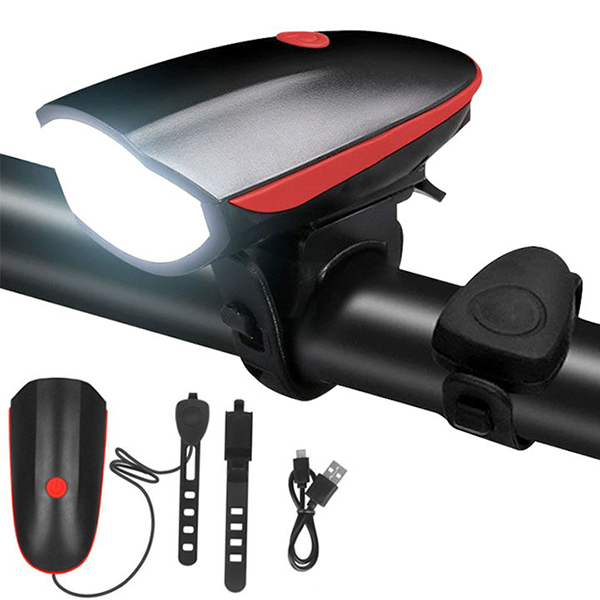
Decoding Road Bike Light Sets: Front, Rear, and Everything In Between
Understanding the different components of a road bike light set is the first step toward making an informed choice. You’ll typically find a combination of front and rear lights, each designed with specific functions in mind.
Front Lights: Lighting Your Path and Announcing Your Presence
Your front light, or headlight, is your primary tool for seeing the road ahead and alerting oncoming traffic to your presence. The key specifications to consider are lumens and beam pattern.
- Lumens: How Much is Enough? Lumens measure the total light output. The ideal lumen count varies significantly based on your riding environment:
- Lit Urban Roads: For well-lit city streets, a front light of 200-300 lumens is generally sufficient to be seen by drivers.
- Unlit Rural Roads: When venturing onto darker roads without streetlights, you’ll need significantly more power. We recommend a minimum of 600 lumens, with 1000-1500+ lumens being ideal for high-speed riding or navigating challenging terrain where you need to see far ahead. Some powerful lights can even exceed 2000 lumens.
- Beam Pattern: Spot vs. Flood: Beyond raw brightness, the beam pattern dictates how the light is distributed. A focused beam projects light further down the road, crucial for faster riding and spotting distant obstacles. However, a good road light also offers peripheral illumination, often with a wider flood component, to help you see objects at the edges of your vision and increase your overall visible footprint to others.
- Modes: Most front lights offer multiple modes, including steady beams (high, medium, low) and various flashing patterns. A powerful “daytime flash” mode is invaluable for enhancing visibility during the day, designed with specific flash, focus, and range to help you stand out from a meaningful distance.
Rear Lights: Your Critical Warning Signal
While your front light helps you see, your rear light is paramount for being seen by vehicles approaching from behind.
- Lumens: Visible Without Blinding: Rear lights typically have a lower lumen output than front lights, ranging from 50 to 300 lumens, though some can go up to 500 lumens. The goal is to be highly visible without blinding drivers behind you.
- Flash Patterns: Effective Attention-Grabbing: Many rear lights feature distinct flash patterns specifically designed to catch the eye of motorists, even in bright daylight. Some models offer 180 or even 270 degrees of visibility, crucial for side-on detection at intersections.
- Side Visibility: A critical, yet often overlooked, aspect of rear lights is side visibility. Lights that emit light from the sides significantly increase your safety profile, particularly at junctions where vehicles may approach from perpendicular roads.
Powering Up: Rechargeable vs. Battery
Modern road bike light sets overwhelmingly feature rechargeable batteries, predominantly via USB-C ports, replacing older micro-USB or disposable battery models.
- USB Rechargeable Benefits: USB-C charging offers convenience and faster charging times. Integrated batteries are common, but some heavy-duty lights may use external battery packs for extended runtime.
- Battery Life Considerations: Battery life varies greatly with lumen output and mode selection. Higher power modes drain batteries faster, so knowing the runtimes for your preferred modes is essential. Flashing modes generally offer the longest battery life, making them ideal for daytime visibility and extending use on longer rides. Some lights even feature battery saver functions that automatically shift to the lowest setting when power is low, giving you those crucial extra minutes to get home.
Choosing Your Perfect Road Bike Light Set: Key Factors to Consider
Selecting the right road bike light set involves more than just picking the brightest option. Here’s what BikeBright Pro experts recommend you look for:
- Brightness & Beam Pattern: Re-evaluate your primary riding conditions. Are you a city commuter, a rural road warrior, or a bit of both? Choose a front light powerful enough to illuminate your path (600-1500+ lumens for unlit roads) and a rear light clearly visible without being excessively dazzling (50-300 lumens). Consider beam patterns that offer both forward throw and peripheral spread.
- Battery Life & Charging: Look for lights with sufficient runtime for your longest rides, especially on higher power settings. USB-C rechargeable lights are highly recommended for convenience. Battery indicator lights are a handy feature to prevent unexpected power loss.
- Lighting Modes & Smart Features: A variety of modes (steady, various flashes) allows you to adapt to different conditions. Increasingly, lights offer smart features like:
- Auto-dimming: Adjusts brightness based on ambient light.
- Brake-sensing: Brightens automatically when you decelerate.
- Peloton mode: Dims the light when sensing another rider behind you to avoid dazzling.
- Radar Integration: Devices like Garmin Varia or Wahoo Trackr Radar alert you to approaching vehicles from behind, significantly enhancing situational awareness. These are game-changers for road safety.
- Water Resistance & Durability: Road cycling often means encountering unexpected weather. An IPX water-resistance rating of 5 or higher is recommended to protect against splashes, while IPX7 can withstand immersion. Durable construction (e.g., aluminum housing) ensures longevity.
- Mounting Options & Security: Ensure the light set comes with sturdy, no-slip attachments.
- Front: Handlebar mounts are standard and secure. Helmet mounts are great as a secondary light, allowing the beam to follow your gaze.
- Rear: Seatpost mounts are most common. If you use a large saddlebag, consider alternative mounting points like saddle rails or a dedicated tab on the bag itself to ensure the light isn’t obscured. Some lights are designed for aero seatposts.
Installation & Maintenance: Getting the Most Out of Your Lights
Even the best light set won’t perform optimally if not installed and maintained correctly.
Mounting Made Easy
Proper placement is key for maximizing visibility and effectiveness.
- Front Light Placement: Mount your front light securely on your handlebars, ensuring it’s level and points straight forward, parallel to the ground. Avoid angling it too high (to prevent dazzling others) or too low (reducing your visibility).
- Rear Light Placement: Attach your rear light to your seatpost or luggage rack, ensuring it’s as high as possible and points directly backward. Crucially, verify that your saddlebag, jacket, or other gear doesn’t obstruct its visibility.
- Secure Fitting: While rubber strap mounts are convenient for quick attachment and removal, screw-on clamp systems often offer superior security, preventing lights from shifting or falling off on rougher roads. Always double-check that your lights are firmly attached before each ride.
Keeping Your Lights Shining Bright
A little care goes a long way in extending the life of your road bike light set.
- Regular Charging: Make it a habit to charge your lights after every few rides, or before any long excursion. Don’t let them run completely dry repeatedly, as this can degrade battery life over time. Allow batteries to cool for an hour after use before charging, and after charging before use, to prolong their lifespan.
- Cleaning: Periodically wipe down your lights, especially the lenses, to remove dirt, mud, or road grime that can obscure the beam and reduce effectiveness.
- Checking Mounts: Regularly inspect the mounting hardware for any signs of wear, looseness, or damage. A secure mount is vital for safety.
Riding Smart, Riding Safe: Tips for Optimal Light Use
With your road bike light set installed and ready, here are some pro tips for using them effectively:
- Always Use Lights, Day or Night: This is perhaps the most crucial advice. Daytime running lights (DRLs) significantly increase your visibility to drivers, even in bright sunlight. Think of them like DRLs on cars – they’re always on for a reason.
- Adjust for Conditions: Utilize the different modes your lights offer. Use a steady, powerful beam on unlit roads, but consider a lower steady or pulse mode when approaching other cyclists or in well-lit areas to avoid blinding them.
- Be Mindful of Other Road Users: While you want to be seen, you don’t want to be a blinding nuisance. Angle your front light appropriately and be aware of overly intense rear flash patterns at night, especially in group rides. Modern smart lights with Peloton mode or anti-glare features are designed to mitigate this.
- Legal Compliance: Be aware that bicycle lighting laws vary by region, state, and country. Most jurisdictions require a white front light and a red rear light (or reflector) after dark, visible from specific distances. Always check your local regulations to ensure compliance.
The Future is Bright: Innovations in Bike Lighting
The world of bike lighting is constantly evolving, with new technologies making our rides safer and smarter. We’re seeing trends like:
- Enhanced Smart Connectivity: Lights that sync with bike computers, smartphones, and even other lights to create a cohesive safety network.
- Integrated Radar Systems: Rearview radar lights like the Garmin Varia and Wahoo Trackr Radar are becoming more sophisticated, offering unparalleled awareness of approaching vehicles.
- Brighter, More Efficient LEDs: Continual advancements in LED technology mean more lumens in smaller, lighter, and more energy-efficient packages, leading to longer battery life and more compact designs.
- Adaptive Lighting: Systems that automatically adjust brightness and beam patterns based on speed, ambient light, and even road conditions.
Expert Insights: A Word from BikeBright Pro’s Cycling Safety Specialist
“At BikeBright Pro, our mission is to illuminate every cyclist’s journey, making safety paramount,” says Clara Jensen, BikeBright Pro’s Lead Cycling Safety Specialist. “A quality road bike light set is your most vital piece of safety equipment. It’s not just about compliance; it’s about confidence. Investing in a reliable, feature-rich lighting system means you’re investing in your own well-being and the joy of stress-free riding, day or night, rain or shine. Embrace the light, and ride with peace of mind.”
Conclusion
A high-performance road bike light set is an essential investment for any cyclist, offering unparalleled safety and confidence on every ride. From powerful front beams that cut through the darkest nights to highly visible rear lights that alert traffic from afar, the right lighting transforms your cycling experience. By understanding the key factors in choosing, installing, and maintaining your lights, and by embracing smart riding practices, you’ll be well-equipped to navigate the roads safely and be seen by others. Ride bright, ride safe, and let BikeBright Pro light your way to countless miles of joyful cycling.