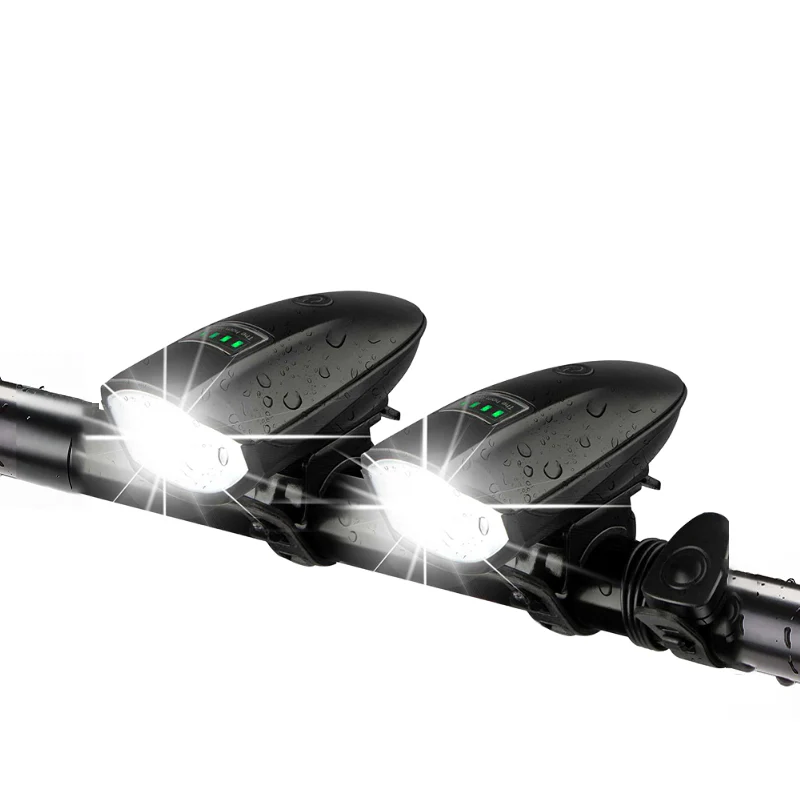
When it comes to cycling, few accessories are as vital as a reliable bike light set. It’s not just about compliance with traffic laws; it’s fundamentally about your safety and visibility on the road or trail, whether you’re commuting at dawn, tackling evening rides, or exploring off-road paths. A good bike light set ensures you can see where you’re going and, crucially, that others can see you. The Walfort Bike Light Set represents an entry point for many cyclists seeking basic illumination, offering a practical starting point for essential visibility. However, understanding the broader landscape of bike lighting will empower you to make the smartest choices for your specific cycling adventures.
The Unseen Hero: Why Every Cyclist Needs a Quality Bike Light Set
Imagine cycling in dim conditions without lights. It’s a scenario no cyclist wants to face. Bike light sets are your primary defense against the unforeseen, transforming you from a shadowy figure into a clearly identifiable presence. From bustling city streets to quiet country lanes, effective lighting reduces the risk of accidents by increasing your visibility to motorists, pedestrians, and other cyclists. While a basic Walfort bike light set can get you started with fundamental visibility, the market offers a spectrum of solutions designed to cater to every nuance of cycling safety and performance.
Navigating the Luminous Landscape: Types of Bike Light Sets
Choosing the right bike light set means understanding the different types and their intended purposes. It’s not a one-size-fits-all situation, and what works for a quick urban dash might not suffice for a demanding night ride.
Front Lights: To See and Be Seen
Your front light is your beacon, serving a dual purpose: illuminating the path ahead and making you visible to oncoming traffic.
- “Be Seen” Lights: These typically range from 100-200 lumens and are perfect for well-lit urban environments during day or night. Their primary role is to ensure drivers see you.
- “See” Lights: For unlit roads, trails, or faster cycling, you’ll need higher lumen output, generally 600 lumens and above. Mountain biking or aggressive night riding often demands 1000 lumens or more to adequately illuminate obstacles and terrain. A Walfort bike light set with around 130 lumens is primarily a “be seen” light, suitable for city rides.
Rear Lights: Your Essential Warning Signal
A rear light is non-negotiable for any ride where visibility from behind is a concern. These red lights attach to your seat post, frame, or bag, signaling your presence to vehicles approaching from the rear.
- Visibility Range: Modern rear lights offer impressive visibility, often over 2 kilometers, even in daylight.
- Flash Modes: Different flash patterns can enhance conspicuity, especially during the day, though some countries have regulations on flashing lights.
The Rise of Smart Lighting
The world of bike lights is constantly evolving, with “smart” features enhancing safety and convenience. These can include:
- Automatic Brightness Adjustment: Lights that adapt their output based on ambient conditions.
- Brake Lights: Accelerometers detect deceleration and brighten the rear light, similar to car brake lights.
- Connectivity: Integration with cycling computers or apps for enhanced control and data.
Beyond the Label: Key Factors When Choosing Your Bike Light Set
While a Walfort bike light set might catch your eye for its affordability, an informed decision requires looking deeper into several critical factors.
How Bright is Bright Enough? Understanding Lumens
Lumens quantify the total amount of visible light emitted by a source. More lumens generally mean a brighter light, but the beam pattern also plays a significant role in effective illumination.
- City Riding: 100-200 lumens for “be seen” visibility in well-lit areas.
- Commuting/Mixed Conditions: 300-600 lumens for a balance of seeing and being seen.
- Unlit Roads/Trails: 800+ lumens are recommended for adequate path illumination and to spot hazards.
Powering Your Ride: Battery Life and Charging
Battery performance is paramount. Consider:
- Run Time: How long does the light last on its highest and lowest settings? Many lights offer multiple modes to balance brightness and battery life.
- Charging: USB rechargeable lights (like some Walfort models) are convenient and eco-friendly compared to disposable batteries. Look for USB-C for faster, more versatile charging.
- Battery Indicators: A clear indicator of remaining battery life prevents unexpected darkness.
Light Modes: Adaptability for Every Situation
Most quality bike lights offer various modes:
- Steady Beam: Consistent light for seeing the path.
- Flashing Modes: Designed to catch attention, often more effective for daytime visibility and extending battery life.
- Daytime Running Lights (DRLs): Specific flash patterns optimized for maximum visibility even in bright sunlight.
Built to Last: Durability and Water Resistance
Cycling exposes your gear to the elements.
- Construction: Look for robust housings that can withstand bumps and drops.
- Water Resistance: An IP (Ingress Protection) rating indicates how well a light resists water and dust. IPX4 is splash-proof, suitable for light rain, while IPX6 or higher can handle heavier downpours.
Mounting Options: Secure and Versatile
How a light attaches to your bike impacts its usability.
- Handlebar/Seatpost Mounts: Most common, look for secure, tool-free installation and removal.
- Helmet Mounts: Offer a dynamic beam that follows your gaze, excellent for trail riding.
- Portability: Easy removal is crucial for preventing theft and charging. Some Walfort sets are known for straightforward front light attachment but may require more effort for the rear.
Adhering to the Rules: Legal Compliance
Laws regarding bike lights vary by region. For instance, in some parts of Europe, lights must be “STVZO certified,” meaning they meet specific German road traffic regulations for beam pattern and brightness. Always check local regulations to ensure your bike light set meets legal requirements.
Getting the Most Out of Your Bike Light Set
Whether you choose a basic Walfort bike light set or a high-end system, proper installation, maintenance, and usage are key.
Installation and Setup
Generally, front lights twist or clip onto handlebars, while rear lights secure to seat posts. While front lights are often intuitive, some models, including certain Walfort sets, might have less obvious battery installation or mounting mechanisms for the rear light, requiring a bit of extra patience or a quick online search. Always ensure lights are firmly attached and aimed correctly—front lights downwards to avoid blinding others, rear lights clearly visible.
Maintenance Tips for Longevity
- Battery Care: Recharge regularly, especially for USB models. If using disposable batteries, remove them during long storage to prevent leaks.
- Cleaning: Wipe lenses and housings with a damp cloth to remove dirt and grime, ensuring maximum light output.
- Storage: Store lights in a cool, dry place when not in use.
Effective and Safe Usage Strategies
- Daytime Visibility: Don’t reserve lights just for night. Daytime flashing modes significantly boost your presence on the road.
- Appropriate Modes: Use a steady, higher-lumen beam for seeing in darkness and flashing modes for enhanced “be seen” visibility.
- Back-up Power: For longer rides, consider carrying a portable power bank for USB-rechargeable lights or spare batteries for models that use them.
The Future of Bike Lighting: Innovations for Enhanced Safety
Bike lighting is a dynamic field, constantly pushing boundaries for cyclist safety. We’re seeing exciting advancements like adaptive lighting that adjusts to speed and environment, radar integration to warn of approaching vehicles, and even light systems that project laser lanes for added safety zones. At BikeBright Pro, we are committed to not only keeping pace with these innovations but also driving them, ensuring that cyclists have access to the most cutting-edge solutions for an illuminated and secure ride.
Expert Insights on Elevating Your Ride’s Safety
“Cycling isn’t just a sport or a commute; it’s a lifestyle. And like any active pursuit, safety should always be at the forefront,” says Dr. Elena Petrova, a renowned cycling safety expert. “A reliable bike light set is your non-negotiable partner. While entry-level options provide a basic safeguard, investing in higher-quality lights with robust features like superior lumen output, extended battery life, and smart technologies can drastically enhance your confidence and safety on every ride.”
Frequently Asked Questions (FAQ)
How many lumens do I need for a bike light?
The ideal lumen count depends on your riding conditions. For city riding where you mainly need to “be seen,” 100-200 lumens are usually sufficient. For unlit roads, 600+ lumens are recommended to “see” the path, and off-road mountain biking often requires 1000+ lumens for comprehensive visibility.
Are flashing bike lights legal?
In many regions, flashing bike lights are legal and encouraged for increased daytime visibility. However, regulations vary by country. For example, while legal in the UK, flashing lights might be restricted in some European countries like Germany, Austria, and the Netherlands. Always check local laws.
How long should a bike light battery last?
Battery life varies significantly based on lumen output and mode. Higher brightness settings consume more power, shortening run time. Many quality lights offer 1.5-2 hours on their brightest steady mode and significantly longer (10+ hours) on lower or flashing modes.
What’s the difference between “see” and “be seen” lights?
“Be seen” lights prioritize making you visible to others, typically with lower lumens (100-200) and often a wider beam or flashing pattern. “See” lights, with higher lumens (600+), are designed to illuminate the path ahead for the rider, crucial for unlit areas.
Can I use a Walfort bike light set for night trail riding?
A standard Walfort bike light set, typically offering around 130 lumens, is generally not bright enough for night trail riding where you need to clearly see obstacles. It’s better suited for urban cycling or as a secondary “be seen” light in well-lit areas. For trails, significantly higher lumen counts (1000+) are advised.
Light Up Your Journey with Confidence
Your bike light set is more than just an accessory; it’s a critical safety component that empowers you to ride with confidence and peace of mind. While accessible options like the Walfort bike light set provide a solid starting point for basic visibility, understanding the nuances of lumens, battery life, light modes, and durability allows you to make an informed choice that truly aligns with your cycling needs. At BikeBright Pro, we believe every cyclist deserves the brightest, most reliable illumination. We encourage you to explore high-quality solutions that not only meet legal requirements but elevate your safety and enjoyment on every ride. Ride bright, ride safe!